What are Worry Worms?
Worry Worms are small, colorful crocheted creatures created by Natalie Guy within the Black Country Healthcare NHS Foundation Trust’s CAMHS services.
These delightful companions assist children in processing and expressing difficult emotions, offering a tangible outlet for anxieties.
A Nova Scotia crocheter even makes them almost effortlessly, highlighting their growing popularity as a therapeutic tool!
The Origin of Worry Worms & Natalie Guy
Natalie Guy, a dedicated professional working within the Walsall Child and Adolescent Mental Health Services (CAMHS) at Black Country Healthcare NHS Foundation Trust, is the creative force behind Worry Worms.
Recognizing a need for accessible and engaging tools to support children’s emotional wellbeing, she ingeniously designed these charming crocheted creatures.
The initial concept stemmed from a desire to provide a tactile and comforting object for young individuals navigating challenging feelings and experiences.
Worry Worms weren’t intended for widespread distribution initially, but their positive impact quickly became apparent, leading to increased demand.
Guy’s initiative demonstrates a compassionate approach to mental health care, utilizing a simple craft to foster emotional expression and resilience in children.
Her work has inspired others, like Trina Long in Nova Scotia, to embrace the therapeutic power of crochet and share the benefits of Worry Worms.
How Worry Worms Help with Anxiety
Worry Worms function as a tangible outlet for children experiencing anxiety, providing a unique way to externalize their concerns. The act of telling the worm one’s worries is central to their effectiveness.
This process allows children to separate themselves from overwhelming feelings, creating a sense of distance and control.
The tactile nature of the crocheted creature offers comfort and a grounding sensation, promoting emotional regulation.
By confiding in the worm, children can practice verbalizing their anxieties in a safe and non-judgmental environment.
The colorful and playful design of the Worry Worms further enhances their appeal, making them approachable and less intimidating than traditional therapeutic tools.
Essentially, they offer a simple, yet powerful, method for managing and processing difficult emotions.
The Psychology Behind Worry Worms
Worry Worms tap into several psychological principles. Externalization, the process of attributing feelings to an outside source, is key; the worm becomes the repository of anxieties.
This aligns with cognitive behavioral therapy (CBT) techniques, helping children distance themselves from negative thought patterns.
The act of crocheting itself can be therapeutic, offering a mindful and repetitive activity that reduces stress and promotes relaxation.
Furthermore, the creation process fosters a sense of agency and accomplishment, boosting self-esteem.
The worm’s small size and soft texture provide a comforting tactile experience, activating the parasympathetic nervous system and promoting a sense of calm.
Ultimately, Worry Worms leverage the power of play and creativity to support emotional wellbeing.
Finding a Free Worry Worm Crochet Pattern PDF
Numerous online platforms offer free Worry Worm crochet patterns in PDF format, including Ravelry, Etsy, and Pinterest, providing accessible resources for crafters.
Popular Websites Offering Free Patterns
Many websites cater to crochet enthusiasts seeking free Worry Worm patterns. A quick online search reveals a wealth of options, though quality and clarity can vary. Several blogs dedicated to amigurumi and children’s crafts frequently publish these patterns as free downloads, often in convenient PDF format.
These patterns typically include detailed instructions and accompanying photographs to guide crocheters through each step. Websites specializing in free crochet patterns often categorize projects by difficulty level, making it easier to find a suitable pattern for beginners or experienced crocheters alike. Remember to always check the licensing terms before distributing or selling items made from free patterns.
Exploring these resources provides a fantastic starting point for creating your own comforting Worry Worms!
Ravelry: A Hub for Crochet Patterns
Ravelry stands out as an exceptional online community and database for all things crochet and knitting. It’s a particularly valuable resource when searching for Worry Worm patterns, offering a vast collection contributed by designers worldwide. Users can filter searches by pattern type (free or paid), yarn weight, and difficulty level, streamlining the process.
The platform allows you to view projects created by other Ravelry members using the same pattern, providing inspiration and helpful tips. Many designers offer their Worry Worm patterns as free PDFs directly through Ravelry, while others link to external websites.
Ravelry’s forum also fosters a supportive environment for asking questions and sharing experiences.
Etsy: Free & Paid Worry Worm Patterns
Etsy presents a diverse marketplace brimming with both free and paid Worry Worm crochet patterns. While a dedicated free pattern search yields results, many designers offer more detailed and unique patterns for a small fee. This supports their creative work and provides access to professionally designed instructions.
Filtering by “digital download” ensures instant access to PDF patterns after purchase. Etsy’s review system allows you to assess the pattern’s clarity and accuracy based on feedback from other crocheters.
You’ll discover a wide range of styles, from simple beginner-friendly designs to more complex variations with embellishments.
Pinterest: Visual Inspiration & Pattern Links
Pinterest serves as a fantastic visual discovery engine for Worry Worm crochet patterns. Searching “Worry Worm crochet pattern” reveals a wealth of images showcasing completed projects and, crucially, links to the original patterns. Many pins directly link to free PDF downloads hosted on blogs, Ravelry, or Etsy.
Pinterest excels at providing inspiration for color combinations and customization ideas.
Be mindful that some pins may lead to broken links or patterns no longer available, but the platform’s visual nature makes it easy to find alternatives. Creating a dedicated board to save your favorite patterns is highly recommended!
Essential Crochet Skills for Worry Worms
Creating Worry Worms requires fundamental crochet knowledge, including basic stitches, the magic ring, increasing, decreasing, and working in continuous rounds for a seamless form.
Basic Crochet Stitches Needed
To embark on your Worry Worm crochet journey, mastering a few core stitches is essential. The single crochet (sc) is the workhorse, forming the bulk of the worm’s body. You’ll also frequently use the increase (inc), typically two single crochets in one stitch, to expand the worm’s shape. Conversely, the decrease (dec), often an invisible decrease, will shape the worm’s form as you work towards the head or tail.
Understanding chain stitches (ch) is crucial for starting rounds and creating small details. While more advanced patterns might incorporate half double crochet or double crochet, a solid grasp of these basic stitches will allow you to confidently follow most free Worry Worm crochet pattern PDFs and bring these comforting creatures to life.
Magic Ring/Circle Technique
Beginning your Worry Worm typically involves the magic ring, also known as the magic circle. This technique allows you to create a tightly closed center, preventing a noticeable hole in the worm’s head. Many free Worry Worm crochet pattern PDFs will start with this method. It involves wrapping the yarn, creating a loop, and crocheting stitches into the loop.
Once the required number of stitches are made, you pull the yarn tail to tighten the ring closed. Mastering this technique takes practice, but it’s invaluable for amigurumi, ensuring a neat and professional finish. Don’t be discouraged if your first attempts are imperfect; practice makes perfect!
Increasing and Decreasing Stitches
Shaping your Worry Worm relies heavily on increasing and decreasing stitches. Increases, typically achieved by working two stitches into one, expand the worm’s body, creating its rounded form. Conversely, decreases – crocheting two stitches together – narrow the shape, defining the head and tail. Free Worry Worm crochet pattern PDFs will clearly indicate where to implement these techniques.
Understanding these stitches is crucial for achieving the characteristic worm shape. Consistent increases and decreases ensure a smooth transition and prevent unwanted bumps or distortions. Practice these fundamental skills to create a perfectly proportioned and huggable Worry Worm!
Working in Continuous Rounds
Most Worry Worm crochet patterns utilize working in continuous rounds, also known as spiraling. This technique means you crochet in a spiral without joining each round with a slip stitch. It creates a seamless, tube-like structure, perfect for the worm’s body. Free PDF patterns often emphasize this method for a cleaner finish.
Using stitch markers is vital when working in continuous rounds to keep track of the beginning of each round. This prevents accidental increases or decreases and ensures consistent shaping. Mastering this technique is key to a beautifully formed Worry Worm, avoiding visible seams!
Materials Required for Your Worry Worm
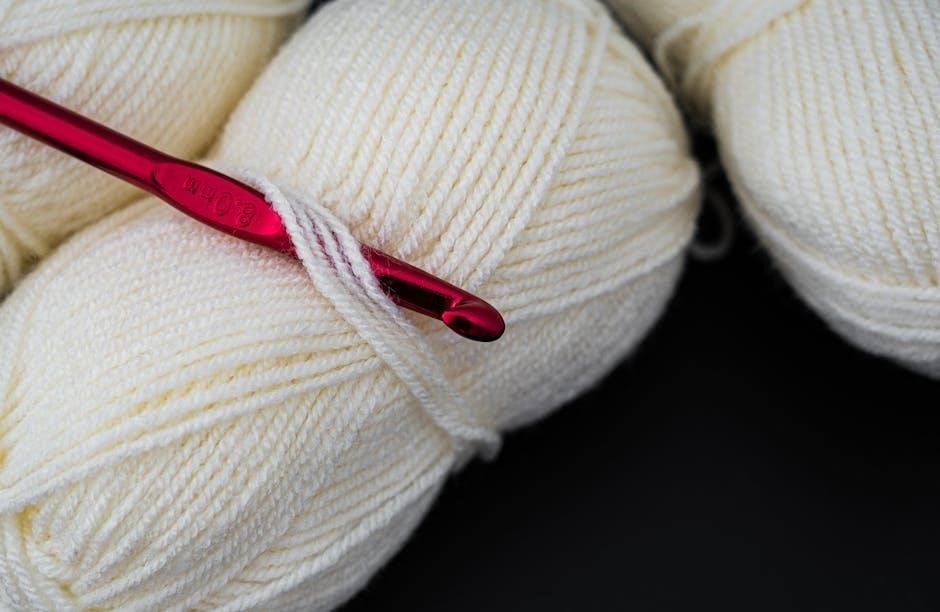
To crochet a Worry Worm, you’ll need yarn (various weights & fibers), a crochet hook, safety eyes, stuffing, and optional embellishments like beads.
Many free PDF patterns suggest DK or worsted weight yarn for optimal results.
Yarn Choices: Weight & Fiber
Selecting the right yarn is crucial for your Worry Worm’s texture and appearance. Many free crochet patterns recommend DK (double knit) or worsted weight yarn as excellent choices for beginners.
These weights are easy to work with and create a nicely sized worm. Fiber content offers variety; acrylic yarn is affordable and durable, perfect for children’s toys. Cotton yarn provides a softer feel and is ideal for those preferring natural fibers.
Wool yarn adds warmth and a unique texture, but may require more careful washing. Experimenting with different yarn weights and fibers allows for personalized Worry Worms, reflecting individual preferences and creating unique tactile experiences. Consider variegated or self-striping yarns for a colorful, eye-catching effect!
Hook Size Recommendations
Choosing the appropriate crochet hook size is vital for achieving the correct tension and size for your Worry Worm. Generally, if using DK weight yarn, a 3.5mm (E/4) or 4.0mm (G/6) hook is recommended. For worsted weight yarn, a 4.0mm (G/6) or 5.0mm (H/8) hook works well.
These sizes are commonly specified in free Worry Worm crochet patterns available online. However, hook size can be adjusted based on your individual crocheting style and desired tightness. A tighter gauge requires a smaller hook, while a looser gauge benefits from a larger one.
Experimenting with different hook sizes ensures your Worry Worm has a pleasing shape and density, contributing to its comforting texture and overall appeal.
Safety Eyes & Other Embellishments
Adding facial features brings your Worry Worm to life! Safety eyes are a popular choice, ensuring a secure attachment, especially when crafting for children. Sizes ranging from 6mm to 9mm are commonly used, depending on the worm’s overall size.
However, always prioritize safety; embroidered eyes are a secure alternative, particularly for very young children. Beyond eyes, consider embellishments like small beads or buttons for added detail, but ensure they are firmly attached.
Free Worry Worm crochet patterns often suggest creative options for hair using yarn strands or embroidery floss, adding a unique, personalized touch to each creation.
Stuffing Materials: Options & Considerations
Stuffing gives your Worry Worm its cuddly form! Polyester fiberfill is the most common and readily available option, being hypoallergenic and washable. However, consider cotton stuffing for a natural alternative, though it may require more careful shaping.
Avoid using materials like beanbag filler or small pellets, especially when crafting for children, due to potential choking hazards. Ensure the stuffing is firmly packed to maintain the worm’s shape, but not so tightly that it distorts the crochet stitches.
Free Worry Worm crochet patterns rarely specify a precise amount; adjust based on desired firmness and size.
Step-by-Step Worry Worm Crochet Guide (General)
Begin with a magic ring to form the worm’s body, increasing stitches in each round. Add facial features and embellishments for personality!
Creating the Worm’s Body
To begin the body, most patterns start with a magic ring or circle. This creates a tightly closed beginning, essential for shaping the worm. Increase the number of stitches evenly within each round to gradually expand the worm’s form. Common stitches used include single crochet, providing a dense and textured body.
Continuous rounds are frequently employed, avoiding joins that can create visible lines. As you crochet, subtly alter stitch counts to shape the worm – increasing for widening and decreasing for tapering. Experiment with different yarn weights to achieve desired sizes; bulkier yarn results in a quicker, larger worm. Remember to stuff the body firmly as you progress, ensuring a pleasingly plump shape.
Pay attention to maintaining consistent tension throughout to avoid distortions. The body length is customizable, adding or subtracting rounds as needed.
Adding Facial Features
Once the worm’s body is complete, it’s time to bring it to life with a face! Safety eyes are a popular choice, securely attached to prevent choking hazards, especially for younger children. Alternatively, you can embroider eyes using yarn or floss for a softer look.
A simple embroidered mouth can convey a range of expressions – a happy smile, a thoughtful frown, or a neutral expression. Consider using different colored yarn for the mouth to make it stand out. Beads or small buttons can also be used creatively for eyes or noses, but ensure they are firmly secured.
Experiment with placement to achieve unique personalities. The facial features are key to giving each worry worm its individual charm!
Embellishing with Arms, Legs & Hair
To personalize your worry worm further, consider adding arms, legs, and hair! Simple crocheted limbs can be attached to the body using yarn and a tapestry needle. These can be short and stubby or longer and more defined, depending on your preference.
Yarn strands can be used to create whimsical hair, attached by looping or knotting them onto the worm’s head. Experiment with different yarn colors and lengths for varied hairstyles. You could even braid the yarn for a more elaborate look.
Adding these details transforms the worm from a basic shape into a truly unique and comforting companion!
Variations & Customization
Unleash your creativity! Customize worry worms with diverse yarn colors, textures, beads, or buttons for unique facial expressions and a personal touch.
Different Yarn Colors & Textures
The beauty of worry worms lies in their adaptability – and yarn choice is key! Bright, cheerful colors can instantly lift a child’s spirits, while softer, pastel shades offer a calming effect. Don’t limit yourself to a single hue; stripes, gradients, and even variegated yarns add visual interest.
Beyond color, explore different yarn textures. Bulky yarns create a cuddly, substantial worm, perfect for little hands to grasp. Cotton yarn provides a smooth, durable finish, ideal for frequent handling. Acrylic yarn is a budget-friendly option, available in a vast array of colors. Consider experimenting with fuzzy or novelty yarns for a truly unique worry worm!
Remember, the goal is to create a comforting companion, so choose yarns that are soft and pleasant to touch. The texture can also contribute to the sensory experience, offering additional comfort to anxious children.
Adding Beads or Buttons
Embellishing your worry worm with beads or buttons adds a personalized touch and encourages interaction. Small beads can be sewn on to represent worries – each bead symbolizing something the child is anxious about. As they talk about each worry, it can be ‘fed’ to the worm!
Buttons can serve as eyes, noses, or simply decorative elements. Ensure any embellishments are securely attached to prevent choking hazards, especially for younger children. Consider using fabric glue in addition to sewing for extra security.
Creativity is key! Experiment with different sizes, shapes, and colors of beads and buttons. You could even use themed embellishments to reflect the child’s interests. Remember safety first, and always supervise children when they are interacting with a worry worm containing small parts.
Creating Unique Facial Expressions
Facial expressions are crucial for giving your worry worm personality and making it more relatable for a child. Beyond simple safety eyes, explore embroidery to create smiling, sad, or even surprised expressions.
Mouths can be stitched with yarn in various shapes – a simple curve for a smile, or a slightly downturned line for a more thoughtful look. Consider using different yarn colors for contrast.
Eyebrows, though small, can dramatically alter the worm’s expression. A slightly raised eyebrow can convey curiosity, while a furrowed brow might suggest concern. Encourage the child to participate in designing the face, fostering a sense of ownership and connection with their worry worm!
Troubleshooting Common Issues
Common problems include distorted shapes, stitch count errors, and difficulty with the magic ring technique; Careful counting and reviewing patterns will help!
Worm Shape is Distorted
A distorted worm shape often arises from inconsistent tension while crocheting. Maintaining even tension throughout each stitch and round is crucial for a uniform form. If your worry worm appears uneven or lumpy, try to consciously relax your grip on the yarn and hook.
Another common cause is incorrect stitch counts. Double-check your pattern after each round to ensure you’ve completed the required number of increases and decreases. Missing a stitch or adding an extra one can significantly alter the worm’s shape.
Furthermore, stuffing inconsistencies can contribute to distortion. Distribute the stuffing evenly throughout the body, avoiding clumps. Gently shape the worm as you stuff it to achieve a smooth, elongated form. Remember, a little patience goes a long way!
Stitch Count Errors
Stitch count errors are frequent stumbling blocks when crocheting worry worms, especially for beginners. Regularly verifying your stitch count against the pattern after each round is paramount. Missing increases or decreases dramatically impacts the final shape, leading to a distorted worm.
Using stitch markers is highly recommended! Place a marker at the beginning of each round, and move it as you work. This visually confirms you’re maintaining the correct number of stitches. If you discover an error, don’t panic – carefully unravel back to the mistake and correct it.
Remember to count carefully, and don’t rely on estimations. A consistent, methodical approach to stitch counting will save you frustration and ensure a beautifully formed worry worm!
Difficulty with the Magic Ring
The magic ring (or circle) can be initially challenging for crocheters new to amigurumi, including worry worms. Many find it tricky to tighten the ring securely without the center hole remaining too large. Practice is key! Several video tutorials demonstrate the technique clearly, offering visual guidance.
Ensure you pull the working yarn firmly when tightening, but avoid excessive force that could break the yarn. If a gap persists, try using a smaller hook size for the initial round. Alternatively, after completing the first round, chain one and then work a decrease stitch to close the hole effectively.
Don’t be discouraged; mastering the magic ring unlocks seamless amigurumi construction!
Worry Worms & Mental Health Resources
Worry Worms originated within the Black Country Healthcare NHS Foundation Trust CAMHS, demonstrating their therapeutic value. Further resources support children’s emotional wellbeing.
Accessing professional help is vital when needed, alongside the comfort a worry worm provides.
Black Country Healthcare NHS Foundation Trust CAMHS
Black Country Healthcare NHS Foundation Trust’s Child and Adolescent Mental Health Services (CAMHS) played a pivotal role in the inception of Worry Worms. Natalie Guy, a dedicated professional within this service, initially introduced these charming crocheted creatures as a therapeutic tool for young individuals.
The core idea behind their implementation was to provide children with a tangible and comforting object to externalize their anxieties and worries. By “telling” their worries to the worm, children can begin to process and manage difficult emotions in a safe and creative manner.
This innovative approach highlights the Trust’s commitment to exploring and implementing creative, patient-centered interventions to support the mental wellbeing of children and adolescents under their care. The Worry Worm initiative exemplifies a proactive and compassionate approach to mental health support.
Resources for Children’s Anxiety
Addressing childhood anxiety requires a multifaceted approach, and numerous resources are available to support young people and their families. Beyond the comforting presence of a Worry Worm, professional guidance is often beneficial. Organizations like the Black Country Healthcare NHS Foundation Trust CAMHS offer specialized mental health services for children and adolescents.
Furthermore, various online platforms provide valuable information and coping strategies. Websites dedicated to child psychology and mental wellbeing offer articles, exercises, and support groups. Seeking advice from school counselors or pediatricians can also provide tailored recommendations.
Remember, early intervention is key. Recognizing the signs of anxiety and providing appropriate support can significantly improve a child’s emotional wellbeing and overall quality of life.
Supporting Emotional Wellbeing Through Crochet
Crochet, beyond its creative outlet, offers significant benefits for emotional wellbeing. The rhythmic, repetitive motions can be incredibly calming and meditative, reducing stress and anxiety. Focusing on a project like creating a Worry Worm encourages mindfulness and provides a sense of accomplishment.
The tactile nature of yarn and the act of crafting can be grounding, particularly for individuals experiencing overwhelming emotions. Furthermore, the ability to create something tangible and potentially gift it to someone else fosters a sense of purpose and connection.
This mindful activity promotes relaxation and self-expression, contributing to improved mental health and overall emotional resilience.